Cambridge Common Voices is a neurodiverse chorus that reimagines choral practice through the lens of disability justice, inclusion, and Universal Design for Learning. This interactive session features live demonstration and dialogue with ensemble members, offering practical strategies that expand access, redistribute creative agency, and challenge conventional hierarchies in choral music. By positioning disability as a creative source, participants will gain tools to design more inclusive, responsive, and innovative choral environments.
Neurodiversity as Creative Force in Choral Practice
×
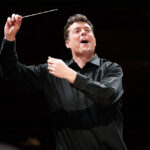
Andrew Clark
Andrew Clark is director of choral activities and senior lecturer on music at Harvard University. He conducts Cambridge Common Voices as well as the Harvard Glee Club and Collegium Musicum. As a conductor, he has led the Harvard Choruses in performances at major venues in the United States and abroad and has commissioned and premiered numerous new works. His work explores the intersection of choral music, disability studies, and inclusive pedagogy, with a focus on Universal Design for Learning and neurodiverse choral practice. Clark holds an Advanced Certificate in Disability Studies from the City University of New York and has presented nationally and internationally on inclusive and community-based choral work.
Cambridge Common Voices
Harvard University
Cambridge Common Voices (CCV) is a community chorus formed through a partnership between Harvard University and the Threshold Program at Lesley University, a transition program for young adults with diverse learning challenges. Founded in 2018, the ensemble welcomes all singers, including those who identify as neurodivergent, and brings together Harvard students, staff, and community members in a collaborative choral community. Rooted in principles of Universal Design for Learning and the neurodiversity paradigm, CCV positions disability not as a deficit but as a creative source that expands artistic and pedagogical possibilities. Through shared leadership, flexible approaches to music making, and a commitment to inclusion and self-determination, CCV reimagines choral practice as participatory, responsive, and socially engaged.